

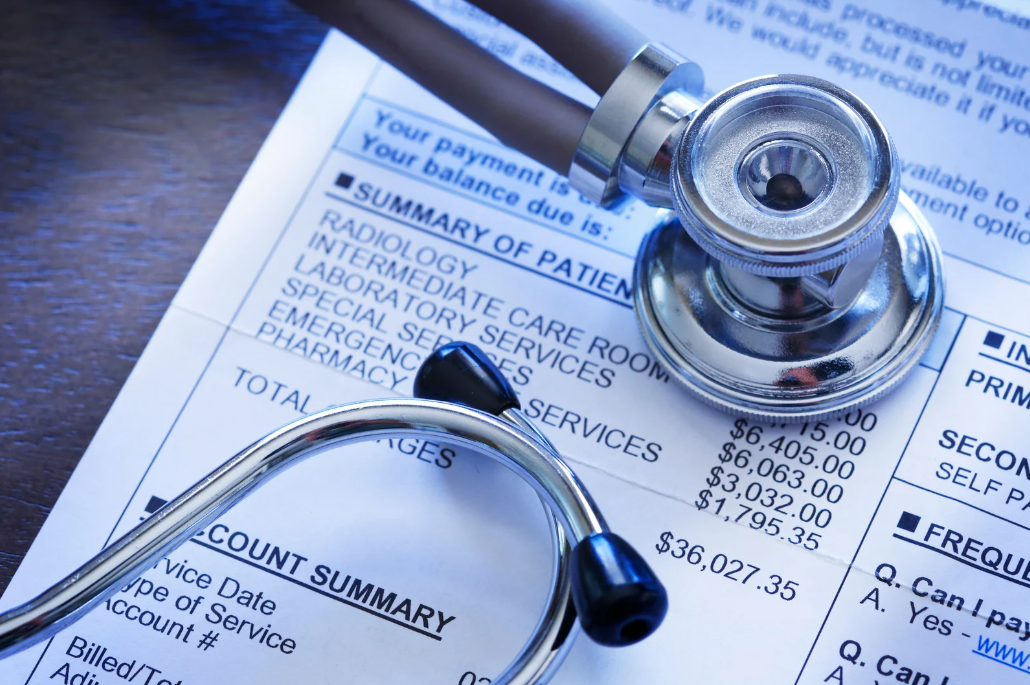
The at-fault driver’s insurance company is not going to pay your bills as they come in. Here is what actually covers you in the meantime.
This is the question that keeps people awake in the first week after a crash, and it rarely gets a straight answer.
Here is the straight answer, followed by every source that might actually cover you.
The short answer
In Virginia, the at-fault driver’s insurance company does not pay your medical bills as you receive treatment.
That surprises almost everyone. People assume that because the other driver caused the crash, their insurer starts paying doctors right away. It does not work that way. That insurer pays once, at the end, in a single settlement, after your treatment is complete and liability has been resolved.
Which means the bills arriving next month are yours to handle in the meantime. The rest of this article is about what handles them.
Why the at-fault insurer waits
Two reasons, and neither of them is about you.
First, they are not going to pay anything until they have decided whether they accept responsibility. Virginia follows contributory negligence, which means if they can show you were even slightly responsible for the crash, your claim can be barred completely. They are not writing checks while that question is open.
Second, paying once at the end is how they control the total. A single negotiated settlement covering everything gives them leverage that paying bills as they arrive would not.
MedPay: the coverage most people forget they have
Medical payments coverage, usually called MedPay, is optional coverage on your own auto policy. Many Virginia drivers carry it without realizing it, because it is inexpensive and often added by default.
What makes it useful is that it pays regardless of who caused the crash. There is no fault determination and no waiting. It covers medical bills for you and typically for your passengers, up to whatever limit you selected.
Pull out your declarations page and look for a line that says medical payments or MedPay. If you find it, that is money available to you now.
One thing worth knowing: your own insurer may seek reimbursement from your settlement later. That is something to plan for at the end, not a reason to leave the coverage unused while you are hurt.
Your health insurance
Your health insurance covers accident-related treatment the same way it covers anything else, subject to your deductible, copays and network.
People sometimes hesitate to use it, thinking that because someone else caused the crash it is not their insurer’s responsibility. Use it. Going untreated to avoid a copay is a far more expensive decision.
Your health insurer will likely assert a right to be reimbursed out of any settlement you receive. That reimbursement amount is frequently negotiable, and reducing it is one of the more meaningful things that happens at the end of a case.
Treating on a lien, or a letter of protection
Some providers will treat an injured person now and wait to be paid out of the eventual settlement. The arrangement is usually documented with a letter of protection, which is a written agreement that the provider will be paid from the case proceeds rather than billing you as you go.
This is how many people with no health insurance and no MedPay get through treatment.
It is worth understanding the trade. Those bills do not disappear. They come out of your recovery at the end, and how much they consume depends heavily on whether anyone negotiates them down. It is also fair to ask who chose the provider and why, which is a question worth putting to any firm that arranges this for you.
What if you have none of the above
There are still options, and they are worth using before you decide to go without care:
Community health centers, which set fees on a sliding scale based on income
Hospital financial assistance programs, which many people qualify for and few people ask about
Urgent care, which is far cheaper than an emergency room for anything that is not an emergency
Payment plans, which most providers will set up if asked directly
None of these are ideal. All of them are better than an untreated injury and a six-week gap in your medical records.
What about the ambulance and the ER bill I already have?
Those are typically the first bills to arrive and often the largest early ones.
They get handled the same way as everything else. MedPay first if you have it, then health insurance, then the hospital’s financial assistance program. Do not ignore the notices. Call and tell them there is a pending injury claim, and ask what they need in order to hold the account.
What happens at the end of the case
When your case resolves, the settlement is used to satisfy what is owed before anything reaches you. That generally includes:
Health insurance reimbursement, if your insurer paid accident-related treatment
MedPay reimbursement, if your own auto insurer paid
Provider liens, for anyone who treated you under a letter of protection
Attorney fees and case costs
This is why the settlement figure and the amount you actually take home are two different numbers. It is also where a meaningful amount of work happens, because reducing those liens and reimbursement claims puts money directly back in your pocket without the headline number changing at all.
When you are comparing offers, or comparing firms, the number worth asking about is what lands in your hand.
What if the bills exceed the settlement?
It happens, usually when the at-fault driver carried a low policy limit and the injuries were serious.
When it does, the places to look next are your own uninsured or underinsured motorist coverage, any other policy that might apply, and sometimes a party beyond the driver, such as an employer if the driver was working at the time.
This is also where lien negotiation matters most. In a case where the available coverage is capped, what you take home may depend almost entirely on how far those bills can be reduced.
What if the other driver had no insurance?
Your own uninsured motorist coverage steps into the place of the missing policy. MedPay and health insurance still apply for your treatment in the meantime.
Report an uninsured or hit and run driver to the police and to your own insurer promptly, because these claims often carry their own notice requirements.
What to do this week
Find your auto declarations page and check for MedPay and uninsured motorist coverage
Use your health insurance for treatment rather than delaying care
Keep every bill, explanation of benefits and receipt in one place
Tell providers there is a pending injury claim before an account goes to collections
Do not accept an early settlement offer just to clear bills, because it closes the case permanently
Get a straight answer about your own coverage
Most people have more coverage available than they realize, and the declarations page is not written to make that obvious.
At Paragon Law Firm, consultations are free, and you talk to an attorney. We can look at what coverage applies to your situation and what it means for the bills you are holding right now. If we take your case, you owe nothing unless we recover money for you.
We represent injured people in Virginia, Maryland, and Washington DC.
Paragon Law Firm
8233 Old Courthouse Rd, Tysons, VA
Call for a free and confidential consultation.


